The AI Video Revolution: How Artificial Intelligence is Transforming Video Creation
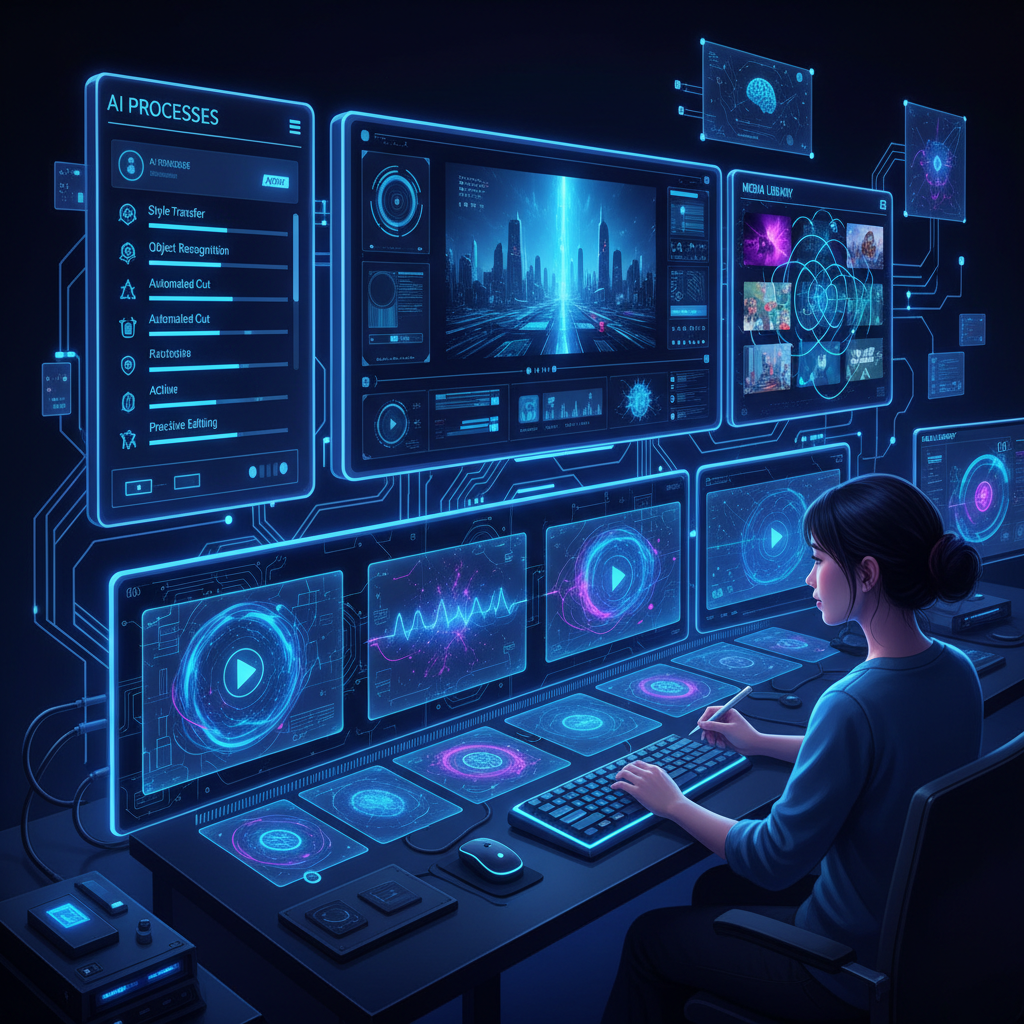
The landscape of video creation is undergoing a seismic shift. What once required expensive equipment, professional skills, and weeks of editing can now be accomplished in minutes with AI-powered video generation tools. From text-to-video platforms to AI-driven editing assistants, artificial intelligence is democratizing video production and opening creative possibilities that seemed impossible just years ago.
The Rise of AI Video Generation
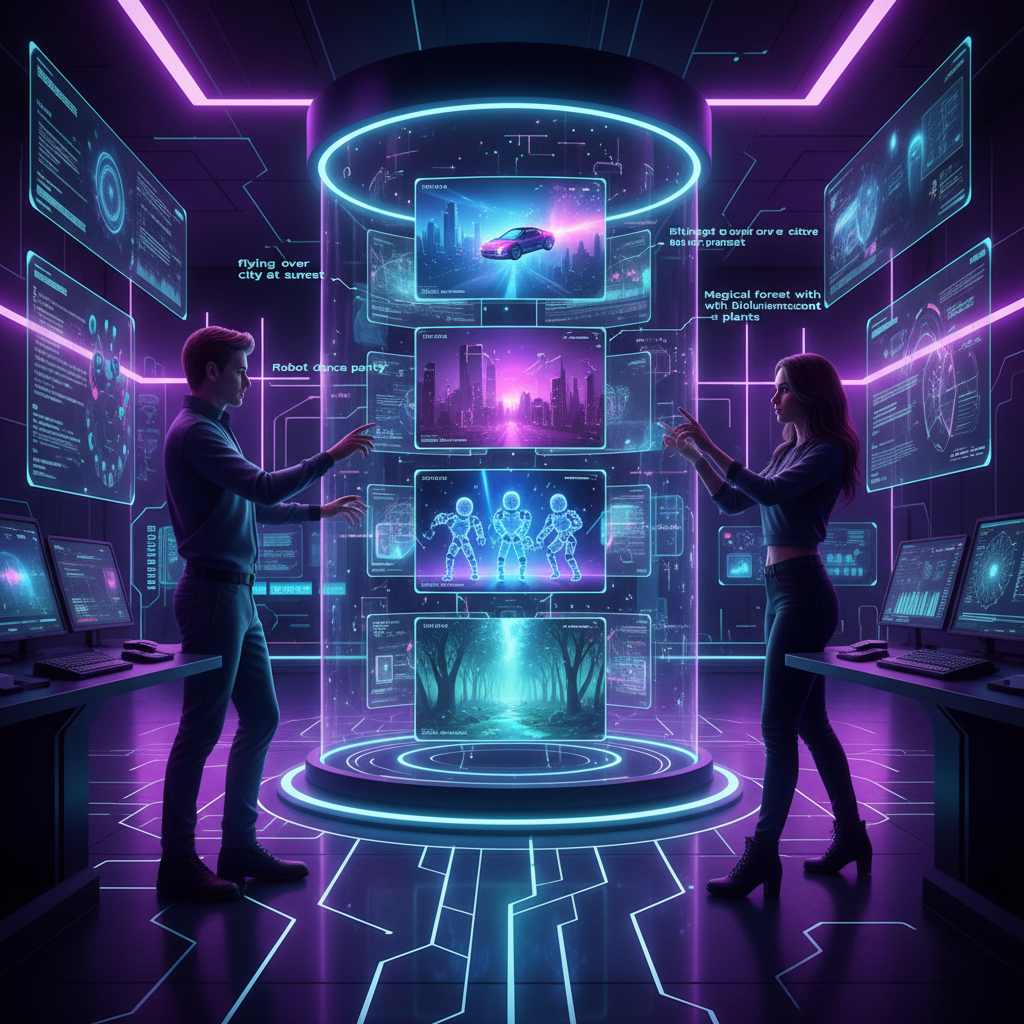
AI video generation represents one of the most exciting frontiers in content creation technology. Tools like Runway, Pika, and Sora are enabling creators to generate professional-quality video content from simple text descriptions. You can type "a serene sunset over a mountain lake" and watch as AI synthesizes a complete video sequence that matches your vision.
These tools leverage sophisticated machine learning models trained on millions of hours of video content. They understand motion, lighting, composition, and even cinematic techniques. The result is video content that looks increasingly indistinguishable from traditionally filmed footage, but created entirely by algorithms analyzing and interpreting your text prompts.
The implications extend far beyond novelty. Marketing teams can rapidly prototype video campaigns, educators can create custom instructional content, and independent creators can compete with production studios—all without traditional video equipment or extensive technical expertise.
AI-Powered Video Editing and Enhancement
Beyond generating video from scratch, AI is revolutionizing the editing process itself. Intelligent editing assistants can now analyze raw footage and automatically create polished edits complete with cuts, transitions, and even music synchronization. Tools like Descript allow you to edit video by editing text transcripts—simply delete words from the transcript and the corresponding video segments disappear.
AI-powered color grading tools analyze your footage and apply professional-grade color corrections in seconds. Background removal technology that once required painstaking manual work now happens automatically with impressive accuracy. Voice cloning and lip-sync AI can translate videos into multiple languages while making the speaker's mouth movements match the new dialogue.
These capabilities dramatically reduce production time while maintaining or even improving quality. A video project that traditionally took days of editing can now be refined in hours, allowing creators to iterate rapidly and focus on creative direction rather than technical execution.
Example AI Video: Watch how AI can generate compelling video content from simple text descriptions. Modern AI video tools can create everything from product demos to educational content, animated sequences, and cinematic scenes—all from written prompts.
Practical Applications Across Industries
The business applications of AI video technology are vast and growing. E-commerce companies are using AI to generate product demonstration videos at scale—creating unique videos for thousands of products that would be impractical to film traditionally. Real estate agents are producing virtual property tours with AI-generated narration and dynamic camera movements.
In education, AI video tools enable teachers to create custom instructional content tailored to their curriculum without video production expertise. Complex concepts can be visualized through AI-generated animations, making abstract ideas more accessible to students. Language learning platforms are leveraging AI to create immersive video content with native speakers in any language.
Content creators and influencers are using AI to maintain consistent posting schedules by rapidly producing videos, repurposing existing content into new formats, and even generating alternative versions of videos for different platforms and audiences. Marketing teams can A/B test video campaigns by quickly generating multiple variations to identify what resonates with their audience.
The Creative and Ethical Considerations
As AI video technology advances, important questions emerge about creativity, authenticity, and ethics. There's ongoing debate about whether AI-generated content can truly be "creative" or if it simply recombines existing patterns. Many artists view AI as a powerful tool that augments human creativity rather than replacing it—a way to execute visions more efficiently rather than a substitute for artistic vision itself.
The authenticity question looms large as AI-generated videos become indistinguishable from traditional footage. Platforms and creators are grappling with disclosure requirements—should viewers always know when content is AI-generated? How do we prevent misuse of deepfake technology while enabling legitimate creative applications?
Copyright and ownership issues are equally complex. When AI generates video based on training data that includes copyrighted material, who owns the output? As the technology matures, legal frameworks are evolving to address these questions, though definitive answers remain works in progress.
The Future of AI Video Creation
The trajectory of AI video technology points toward increasingly sophisticated capabilities. We're moving toward AI that can understand narrative structure, emotional resonance, and brand voice—creating content that's not just technically proficient but emotionally engaging and strategically aligned with creator intent.
Real-time AI video generation is on the horizon, enabling live streaming with AI-generated elements, interactive videos that adapt to viewer choices, and virtual environments that respond dynamically to inputs. The line between traditional video production and AI-generated content will continue to blur as hybrid workflows become the norm.
For creators and businesses, the message is clear: AI video tools represent a paradigm shift in content production. Those who embrace these technologies early will gain significant competitive advantages in speed, cost efficiency, and creative flexibility. The democratization of video creation means that compelling visual storytelling is no longer limited to those with substantial production budgets—it's accessible to anyone with a vision and willingness to explore these emerging tools.
As we stand at the beginning of this revolution, one thing is certain: AI is not replacing human creativity in video production. Instead, it's amplifying it, removing technical barriers, and opening new possibilities for visual storytelling that we're only beginning to explore.
Tags

Comments (0)
Please log in to leave a comment.
No comments yet. Be the first to share your thoughts!