The Rise of Web3: Understanding Blockchain and Decentralization
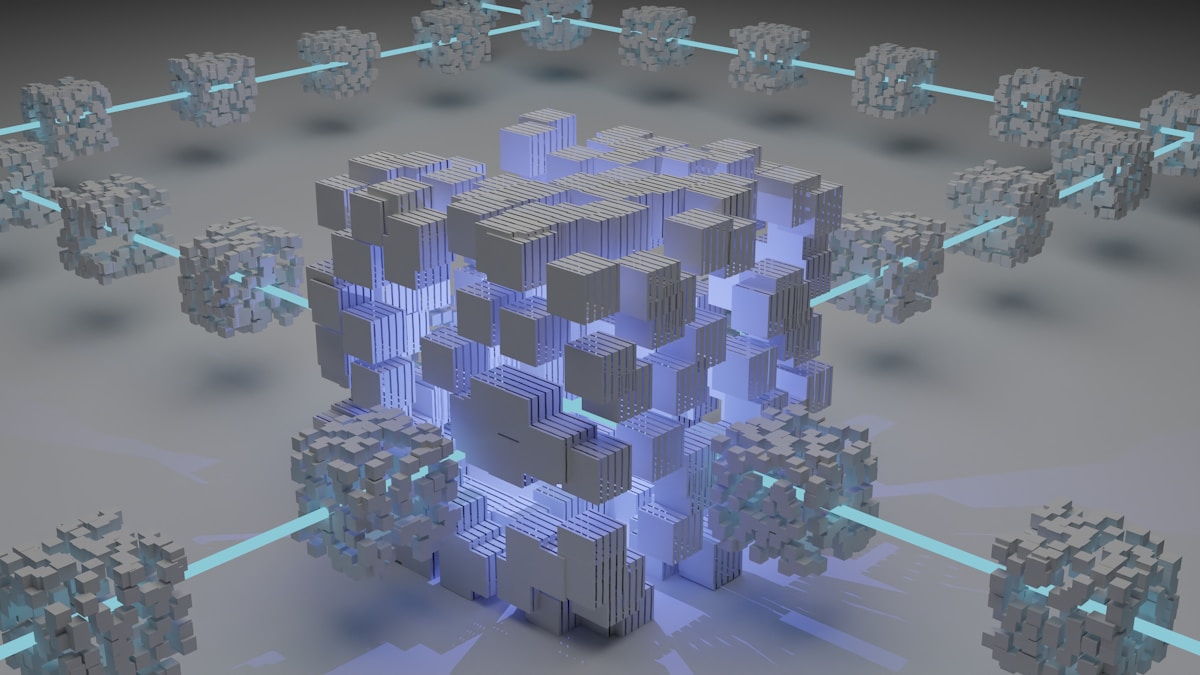
Web3 represents the next evolution of the internet—a fundamental shift from centralized platforms controlled by corporations to decentralized networks owned by users. Built on blockchain technology, Web3 promises to return power and control to individuals, enabling new forms of digital ownership, trust, and value exchange.
Understanding the Web3 Vision
The current internet, often called Web2, is dominated by large platforms that act as intermediaries in our digital lives. When you use social media, store files in the cloud, or make online purchases, you're trusting centralized companies with your data, identity, and digital assets. These platforms profit from your participation while maintaining full control.
Web3 challenges this model by using blockchain technology to enable direct peer-to-peer interactions without intermediaries. Smart contracts—self-executing code on the blockchain—replace traditional intermediaries, automating trust and enforcing agreements without human intervention. This creates systems that are transparent, verifiable, and resistant to censorship or manipulation.

Blockchain: The Foundation of Web3
At its core, blockchain is a distributed ledger technology that records transactions across many computers. Once information is added to the blockchain, it becomes extremely difficult to alter, creating a permanent and transparent record. This immutability is what makes blockchain so powerful for applications requiring trust and verification.
Unlike traditional databases controlled by a single entity, blockchains are maintained by networks of participants. This decentralization means no single point of failure and no central authority that can manipulate or censor data. Consensus mechanisms like Proof of Work or Proof of Stake ensure the network agrees on the state of the ledger.
Different blockchains serve different purposes. Bitcoin pioneered the technology for digital currency. Ethereum expanded it to support smart contracts and decentralized applications. Newer chains like Solana and Polygon focus on scalability and lower transaction costs. Each brings unique capabilities to the Web3 ecosystem.
Smart Contracts and Decentralized Applications
Smart contracts are the building blocks of Web3 applications. Written in programming languages like Solidity, these contracts execute automatically when predetermined conditions are met. They can handle complex logic, manage tokens, and interact with other contracts—all without requiring a trusted third party.
Decentralized applications (dApps) use smart contracts as their backend, running on blockchain networks rather than centralized servers. This architecture makes them censorship-resistant and trustless—users interact directly with the blockchain without depending on any company to maintain the service.
DeFi (Decentralized Finance) applications demonstrate the power of this model. They enable lending, borrowing, trading, and earning interest on cryptocurrency without traditional financial institutions. Platforms like Uniswap and Aave process billions of dollars in transactions through smart contracts alone.
Digital Ownership and NFTs
Web3 introduces true digital ownership through non-fungible tokens (NFTs). Unlike cryptocurrencies where each token is identical, NFTs are unique digital assets that can represent ownership of art, music, virtual real estate, or any digital item. The blockchain proves authenticity and tracks ownership history.
Beyond digital art, NFTs have practical applications in gaming, music, event ticketing, and real-world asset tokenization. They enable creators to sell directly to fans, receive royalties on secondary sales, and maintain relationships with collectors. This fundamentally changes the economics of digital content creation.
The concept of digital ownership extends to identity and credentials. Instead of usernames and passwords controlled by platforms, Web3 users own their digital identity. Decentralized identity systems let you prove who you are and what you've achieved without relying on centralized authorities.

Real-World Applications and Use Cases
Decentralized Finance has grown into a multi-billion dollar ecosystem. Users can access financial services without banks, earn yields on their assets, and participate in governance of protocols. The transparency of blockchain means you can always verify reserves and audit smart contracts.
Supply chain management benefits from blockchain's transparency and immutability. Companies can track products from manufacture to delivery, verify authenticity, and ensure ethical sourcing. Consumers gain visibility into product origins and journeys.
Content creators are exploring Web3 platforms that offer better economics and control. Instead of platforms taking large cuts of revenue, creators can monetize directly through tokens, NFTs, and direct fan relationships. Social tokens enable new community engagement models.
Gaming is being revolutionized by play-to-earn models where players truly own in-game assets and can trade them freely. Virtual worlds built on blockchain enable persistent economies where digital items have real value. This creates new opportunities for players and developers alike.
Decentralized Autonomous Organizations (DAOs)
DAOs represent a new organizational structure enabled by blockchain technology. These entities operate through smart contracts and collective decision-making by token holders, without traditional hierarchical management. Members vote on proposals, allocate resources, and govern the organization transparently on-chain.
DAOs are being used for investment clubs, protocol governance, charitable foundations, and even purchasing real-world assets. They demonstrate how blockchain can coordinate human activity at scale without centralized control. While still experimental, DAOs point toward new models of collaboration and governance.
Challenges and Considerations
Web3 faces significant challenges that must be addressed for mainstream adoption. User experience remains complex, with wallet management, gas fees, and technical concepts creating barriers for non-technical users. Improving interfaces and abstracting complexity is essential.
Scalability is a major concern. Popular blockchains like Ethereum can handle only a fraction of the transactions that centralized platforms process daily. Layer 2 solutions and new blockchain architectures are working to solve this, but it remains an active area of development.
Environmental concerns about blockchain energy consumption are valid, particularly for Proof of Work chains. However, the transition to Proof of Stake and other efficient consensus mechanisms is addressing these issues. Many newer blockchains are designed to be energy-efficient from the start.
Regulatory uncertainty creates challenges for Web3 projects and users. Governments worldwide are still determining how to regulate cryptocurrencies, tokens, and decentralized systems. Clear regulatory frameworks will be essential for institutional adoption and user protection.
The Path Forward
Web3 is still in its early stages, similar to where the internet was in the mid-1990s. The technology is proven but the killer applications are still being discovered. As tools improve, costs decrease, and user experience enhances, adoption will accelerate.
Major companies are beginning to explore Web3 integration. Financial institutions are launching cryptocurrency services, brands are experimenting with NFTs, and tech companies are building blockchain infrastructure. This institutional interest brings resources and legitimacy to the space.
The transition to Web3 won't happen overnight and won't completely replace Web2. Instead, we'll likely see hybrid models where blockchain technology enhances traditional applications, adding ownership, transparency, and decentralization where they provide the most value.
For developers, creators, and businesses, now is the time to understand Web3 fundamentals and explore how these technologies might apply to your work. The internet is evolving, and Web3 represents the frontier of digital innovation.
Tags
Comments (0)
Please log in to leave a comment.
No comments yet. Be the first to share your thoughts!