Automating Your Business: A Guide to Digital Transformation

In today's fast-paced business environment, automation has transitioned from a competitive advantage to a fundamental necessity. Companies that embrace digital transformation through automation can reduce operational costs, improve accuracy, accelerate processes, and free their teams to focus on strategic initiatives that drive growth. This comprehensive guide will help you understand where and how to implement automation in your business.
The Business Case for Automation
Automation delivers measurable benefits across every business function. Studies show that companies implementing automation see 20-30% cost reductions in automated processes, accuracy improvements exceeding 99%, and employee satisfaction increases as teams shift from repetitive tasks to meaningful work.
The return on investment for automation projects typically manifests within 6-12 months. Beyond direct cost savings, automation enables scalability—your business can handle increased volume without proportionally increasing headcount. This operational leverage becomes particularly valuable during growth phases.
Perhaps most importantly, automation provides consistency and reliability. Automated processes execute the same way every time, eliminating the variability and errors inherent in manual work. This consistency improves customer experience and reduces the costs associated with fixing mistakes.

Identifying Automation Opportunities
The first step in any automation initiative is identifying which processes to automate. Not all tasks are good candidates for automation—focus on activities that are repetitive, rule-based, high-volume, and currently consuming significant time or resources.
Start by mapping your current workflows. Document how work moves through your organization, noting bottlenecks, handoffs, and pain points. Talk to your team members about which tasks they find most tedious or time-consuming. These conversations often reveal quick wins that can demonstrate automation's value.
Data entry and manipulation are prime automation candidates. If your team regularly copies information between systems, generates reports from databases, or reformats data, automation can eliminate these tasks entirely. Robotic Process Automation (RPA) tools can interact with applications just like humans do, but faster and without errors.
Customer service and support operations offer numerous automation opportunities. Chatbots can handle common inquiries 24/7, freeing human agents for complex issues. Automated ticket routing ensures customers reach the right specialist quickly. Follow-up emails and satisfaction surveys can be triggered automatically.
Financial processes like invoice processing, expense reporting, and reconciliation are perfect for automation. Modern tools can extract data from invoices, match them to purchase orders, and route them for approval—all without human intervention. This reduces processing time from days to minutes.
If you're ready to explore how automation can transform your business operations, learn more about our AI automation services and discover tailored solutions for your unique needs.
Automation Technologies and Tools
The automation technology landscape is vast and constantly evolving. Understanding the different categories helps you choose the right tools for your needs and budget.
Robotic Process Automation (RPA) uses software robots to mimic human interactions with applications. Tools like UiPath, Automation Anywhere, and Blue Prism can log into systems, move files, extract data, and perform calculations. RPA is particularly valuable for automating legacy systems that lack APIs.
Workflow automation platforms like Zapier, Make (formerly Integromat), and Power Automate connect different applications and trigger actions based on events. These no-code tools make automation accessible to non-technical users, enabling business teams to build their own automations.
Artificial Intelligence and Machine Learning add intelligence to automation. AI can classify documents, extract information from unstructured data, understand natural language, and make decisions based on patterns. Tools like optical character recognition (OCR) can read documents, while natural language processing (NLP) powers chatbots and email categorization.
Custom development using APIs provides the most flexibility and power. When off-the-shelf tools don't meet your needs, building custom automation ensures perfect integration with your systems and processes. Modern development frameworks make this more accessible than ever.

Implementing Automation Successfully
Successful automation projects follow a deliberate approach, starting small and scaling gradually. Begin with a pilot project—choose one process that's painful but not mission-critical. This allows you to learn, demonstrate value, and build momentum without risking core operations.
Define clear success metrics before starting. What does success look like? Time saved? Error reduction? Customer satisfaction improvement? Having concrete metrics helps justify investment and guides development priorities.
Involve your team early and often. Automation can create anxiety about job security. Be transparent about goals, involve team members in identifying opportunities, and emphasize that automation eliminates boring tasks so people can do more interesting work. The most successful implementations turn users into champions.
Don't automate broken processes. If a process doesn't work well manually, automating it just makes the problems happen faster. Take time to optimize workflows before automating them. This often means questioning why steps exist and eliminating unnecessary handoffs or approvals.
Start with existing systems and data. Automation works best when it builds on your current infrastructure rather than requiring wholesale replacement. Look for tools that integrate with your existing systems through APIs or connectors.
Common Automation Use Cases
Email management consumes hours of knowledge worker time daily. Automation can filter emails, categorize them, extract information, create tasks, and even draft responses. Smart rules and AI-powered tools like SaneBox or Superhuman bring order to overflowing inboxes.
Scheduling and calendar management is another area ripe for automation. Tools like Calendly eliminate back-and-forth emails by letting people book time directly on your calendar. Automated reminders reduce no-shows, while meeting preparation automation gathers relevant documents and information.
Report generation and distribution often happens manually despite being highly repetitive. Automated reporting pulls data from various sources, generates visualizations, and distributes them on a schedule. Recipients get timely information without anyone manually compiling spreadsheets.
Lead qualification and follow-up automation ensures no prospect falls through the cracks. When someone downloads content or requests information, automated sequences nurture them with relevant content until they're ready to talk to sales. This dramatically improves conversion rates.
Employee onboarding involves numerous tasks—creating accounts, sending welcome emails, scheduling training, assigning equipment. Automation orchestrates these activities, ensuring new hires have what they need from day one while reducing HR's administrative burden.
Measuring and Optimizing Automation
Automation isn't set-it-and-forget-it. Continuously monitor performance, gather feedback, and optimize over time. Track your defined metrics to quantify impact and identify opportunities for improvement.
Create dashboards that visualize automation performance. How many transactions are being processed? What's the error rate? Where are bottlenecks occurring? This visibility helps you spot issues quickly and demonstrates value to stakeholders.
Collect feedback from users and customers affected by automation. Are the outcomes meeting expectations? What friction points remain? User feedback often reveals quick improvements that significantly enhance the experience.
Automation creates data that provides insights into your business. The detailed logs and metrics generated by automated processes reveal patterns, inefficiencies, and opportunities you couldn't see before. Use this data to drive continuous improvement.
Change Management and Adoption
Technology is only part of the automation equation—people and processes matter just as much. Successful automation requires effective change management to ensure adoption and maximize value.
Communicate clearly and often about automation initiatives. Explain the why behind changes, the benefits for the team, and how workflows will evolve. Address concerns proactively and create channels for feedback and questions.
Provide comprehensive training for anyone working with automated systems. Users need to understand not just how to operate the automation, but when to use it, how to handle exceptions, and who to contact when issues arise. Ongoing support ensures people remain confident and productive.
Celebrate wins and share success stories. When automation delivers results, publicize them. Highlight time saved, errors eliminated, and value created. These stories build momentum and encourage broader adoption across the organization.
Getting Started with Your Automation Journey
The path to automation begins with a single step. Start by identifying one painful, repetitive process in your organization. Map it out, calculate the time currently spent, and research tools that could automate it.
Consider partnering with automation specialists who can guide your journey. Experienced consultants help you avoid common pitfalls, select appropriate technologies, and accelerate time to value. They bring best practices from successful implementations across industries.
Remember that automation is a journey, not a destination. Technology continues evolving, and new opportunities emerge as your business grows. Build automation into your culture—encourage teams to continuously identify and implement improvements.
The competitive advantage goes to organizations that embrace automation strategically and systematically. Those that view it as an ongoing initiative rather than a one-time project will compound benefits over time, building increasingly efficient and effective operations.
Digital transformation through automation isn't about replacing people—it's about empowering them to do their best work. By automating routine tasks, you free your team to focus on creativity, strategy, and the human connections that truly differentiate your business. Start your automation journey today, and position your organization for sustained success in an increasingly digital world.
Tags
Related Posts

OpenClaw: The AI Assistant That Actually Does Things
OpenClaw is revolutionizing personal AI assistants by moving beyond simple chatbots to an autonomous agent that can actually perform real-world tasks—from managing your inbox to booking flights, all while running on your own computer.
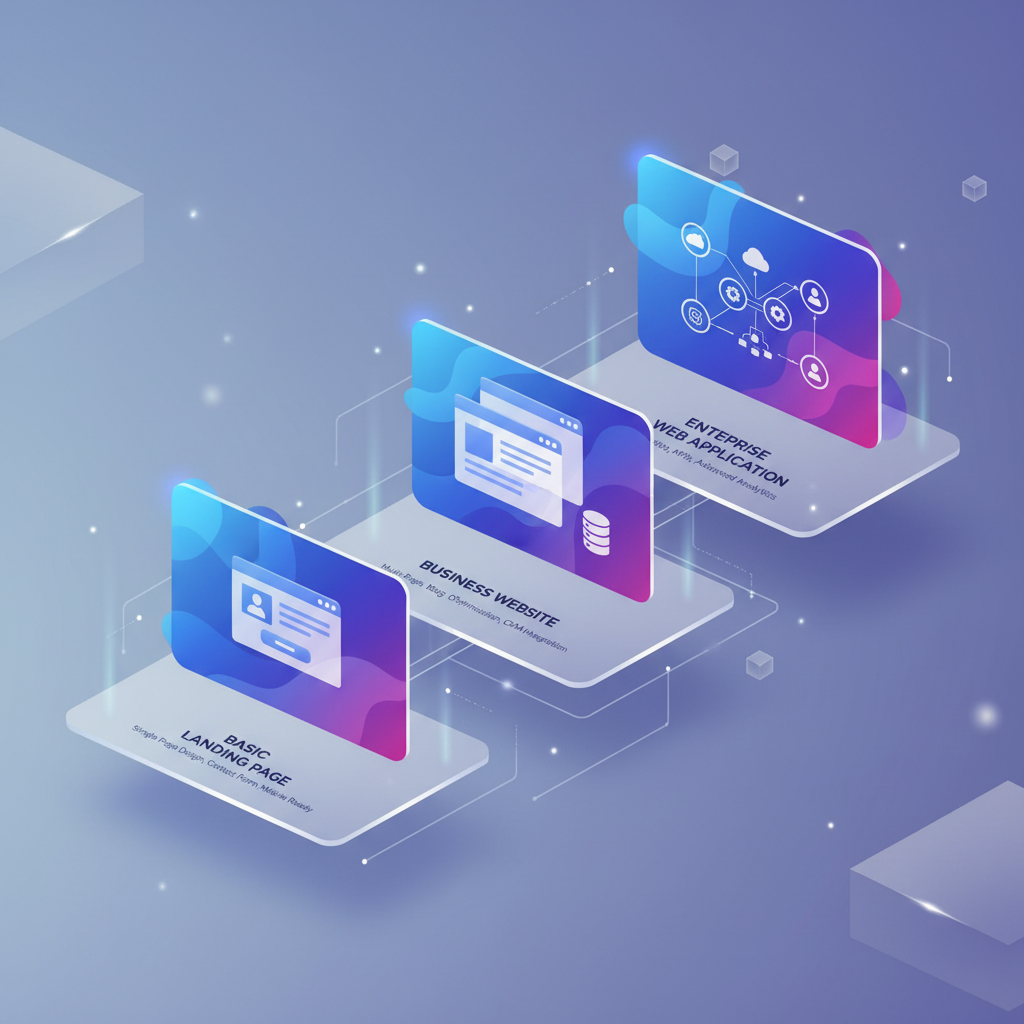
How Much Does a Website Cost? A Full Guide
Wondering how much a website costs? From simple landing pages to complex web applications, we break down the factors that influence website pricing and what you can expect at different investment levels.
Comments (0)
Please log in to leave a comment.
No comments yet. Be the first to share your thoughts!